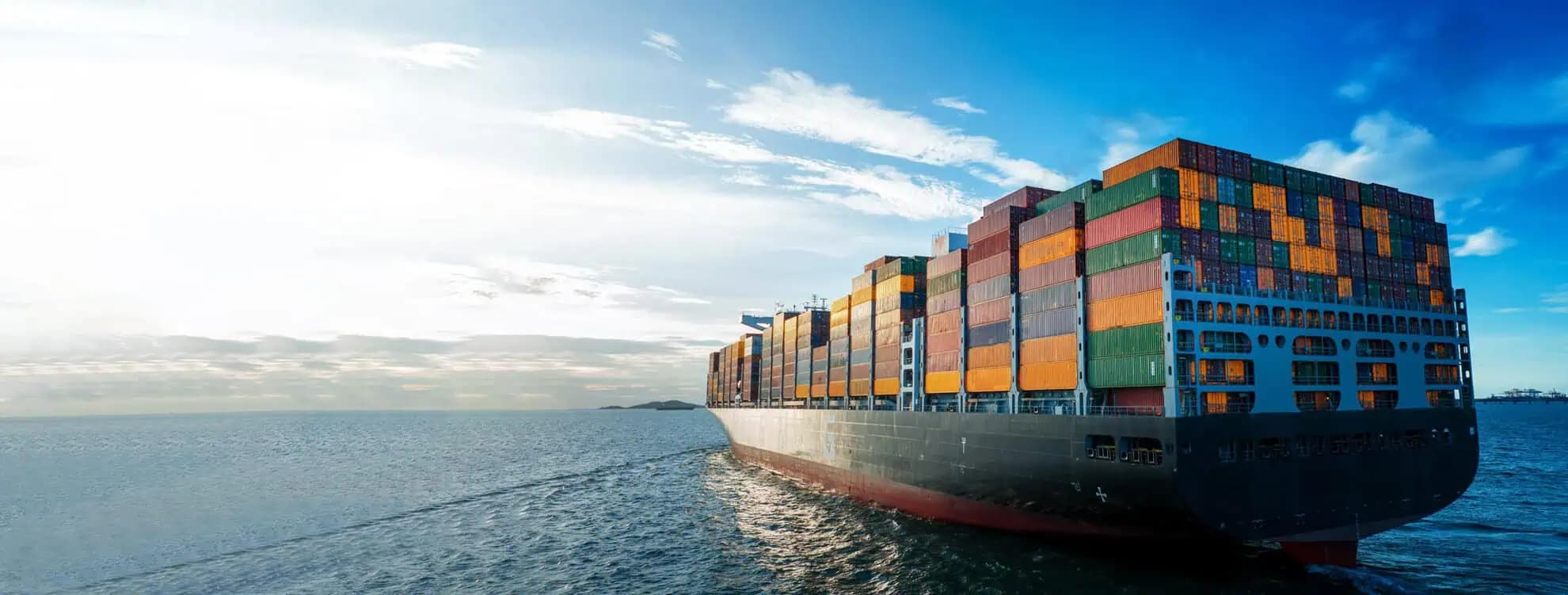
Aquaculture Returns Strongly to Rural Areas
Aquaculture projects have become an alternative to revitalize the sector. The community of Tres Hermanas, in Capira, is an example of how…
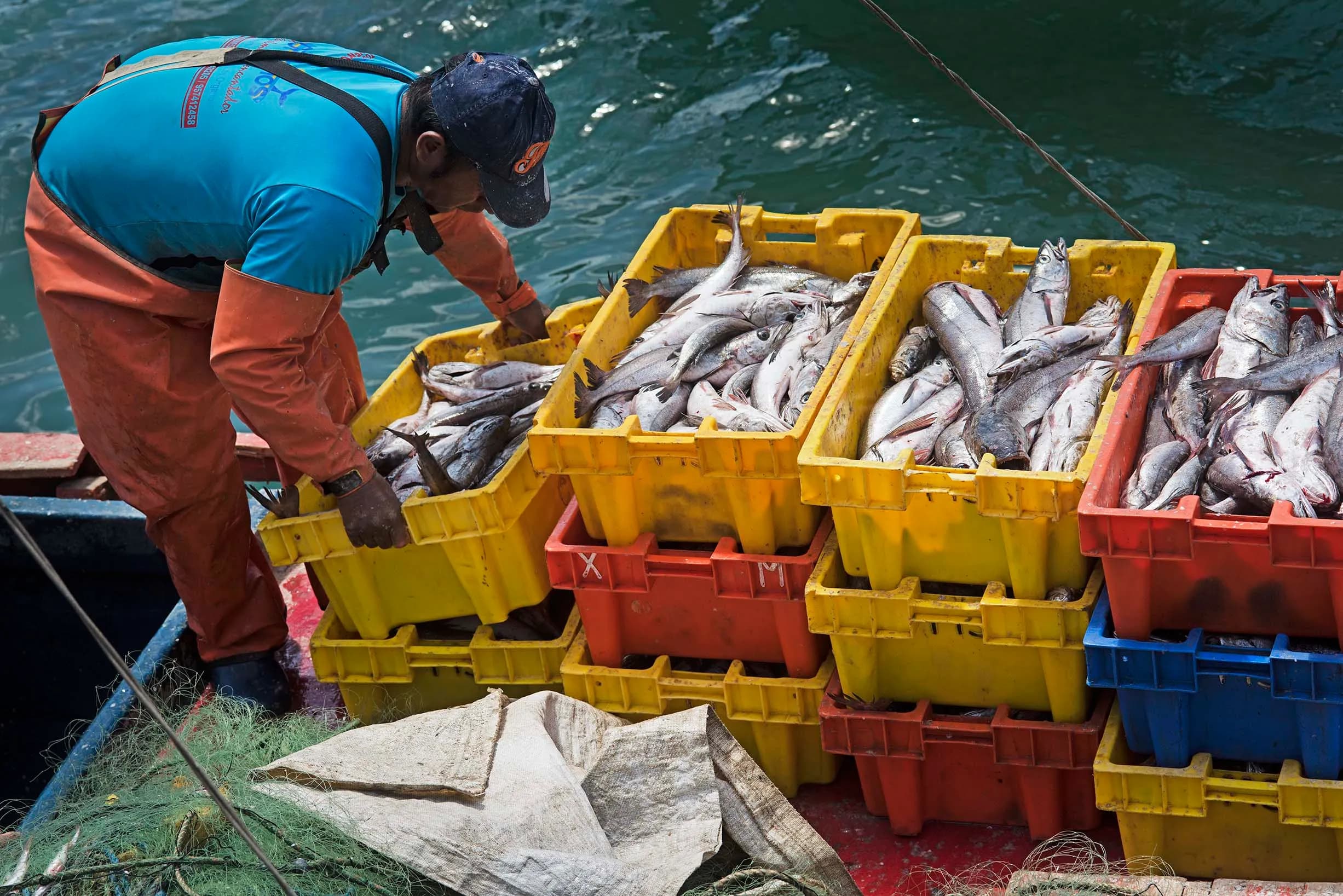
Aquaculture Returns
The fishing sector represented only 0.8% of Panama's gross domestic product in 2012, as fishery production has been declining since 2009, mainly due to climate change and the high cost of inputs.
The situation is of concern to both private organizations and the Government itself, as fishing and sustainable aquaculture play a crucial role in food security and provide 17% of the protein consumed by the world's population, according to a FAO report on the state of the sector in 2012.
The latest export figures in Panama, published by the Comptroller General of the Republic, reveal that seafood shipments through October generated $96 million — 5.3% less than was exported in the same period of 2011. Aquaculture projects have become an alternative to revitalize the sector. The community of Tres Hermanas, in Capira, is an example of how its residents have achieved a rich source of protein by consuming the fish they themselves produce — an activity that also generates income through marketing the product.
The Tres Hermanas Association, made up of around 30 members, obtained its first tilapia harvest in April 2012 and has not stopped producing since. They sell the product for up to $1.00 per pound. Aquaculture projects receive support from Panama's Aquatic Resources Authority (Arap) and are supervised by the General Directorate of Development.
Since 2011, around 75,000 pounds of fish have been harvested across various projects in different rural areas throughout the country, according to data compiled by Arap. In rural areas, tilapia production projects are being promoted. The amount harvested in 2012 is estimated to reach approximately 120,000 pounds of tilapia, although the year-end figures have not yet been tallied across all projects. Still, the increase in production is evidence that the projects are sustainably contributing to food security in Panama.
Alternative projects
Nationally, the Ministry of Agricultural Development (Mida), through the Aquaculture Health Program of the Animal Health Directorate, maintains a registry of 47 producers dedicated to shrimp production in more than 1,362 ponds spread across 8,800 hectares. Shrimp production in ponds is another alternative to drive the development of the fishing sector. Last November, Arap's Pacific Mariculture Laboratory, located in Vacamonte, launched a pilot plan that exceeded expectations. The biologist at that facility, Aristides Frías, explained that a trial was conducted with the species known as the giant Malaysian shrimp (Macrobrachium rosenbergii), which consisted of obtaining around 20,000 post-larvae of the species to supply shrimp farm producers.40,900 post-larvae were obtained and sold to producers in Capira, Darién, Chiriquí, and Santiago, in the province of Veraguas. In addition, twelve thousand units were sent to Arap's aquaculture stations in Divisa, and seven thousand to the one in Gualaca (Chiriquí), to supply raw material to more producers, who purchase them at $18 per thousand post-larvae. These projects are carried out with the goal of providing alternatives to producers, as aquaculture is gaining strength in the fishing sector.
Pablo Vergara, director of the Vacamonte Laboratory, mentioned that due to the good results of the pilot plan, the production of additional shrimp post-larvae will resume after the Carnival holidays, as producers have requested to acquire more species to continue and increase pond production.